Yard Drainage
Yard Drainage in Eau Claire, WI
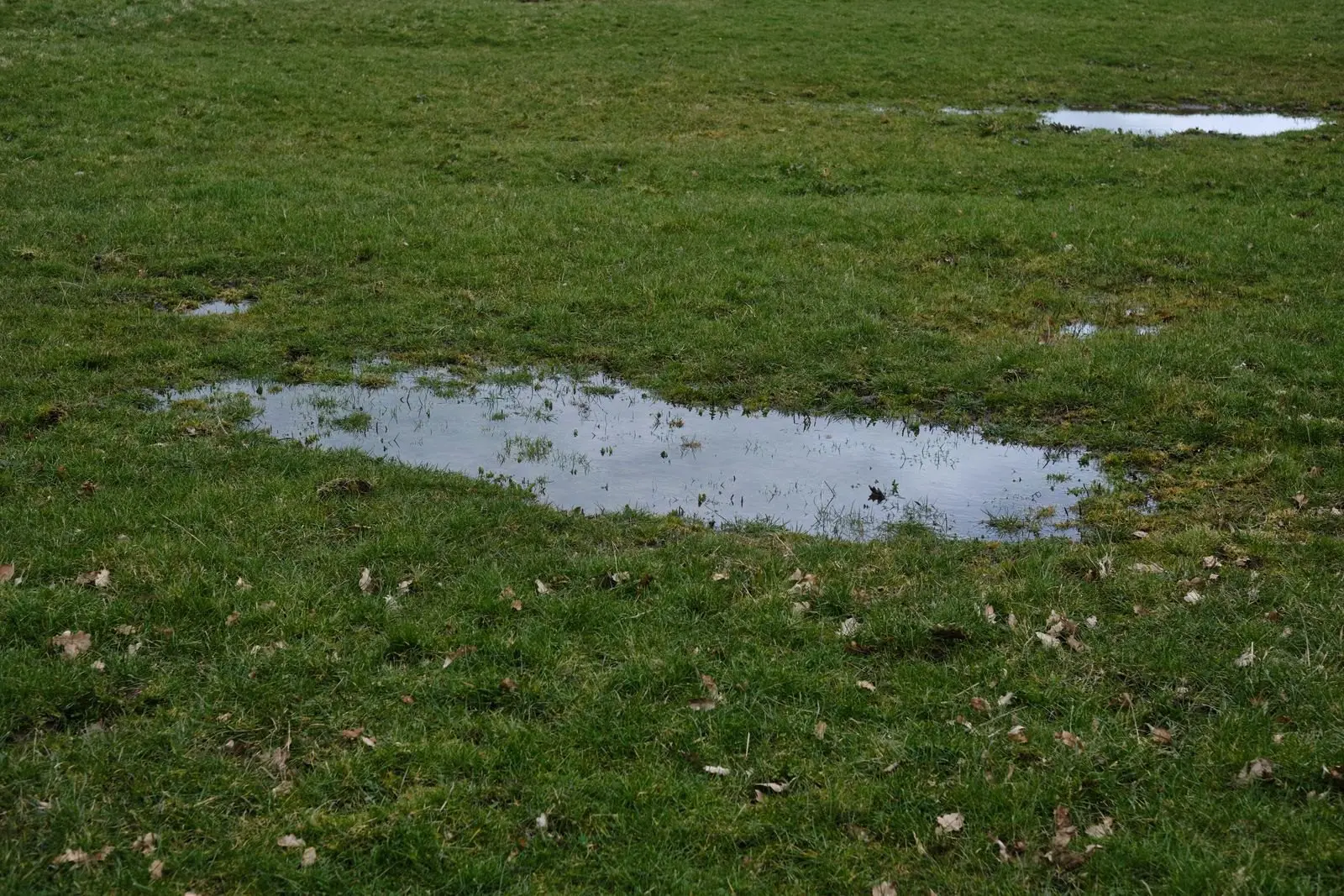
Standing water that won't drain, a lawn that stays soggy for days, water pooling in the same low spots after every rain: a yard drainage problem is more than an eyesore. It kills grass, breeds mosquitoes, and sends water toward your foundation. Eau Claire Drainage & Waterproofing designs and installs drainage systems that move water off your property and away from your home, using French drains, catch basins, downspout drainage, regrading, and more. Every job starts with a free inspection.
- Licensed & Insured
- Free Inspections
- Locally Owned
- Year-Round Service
Warning signs
Signs You Have a Yard Drainage Problem
Some drainage problems are obvious; others quietly do damage over time. Common signs include:
- Standing water or puddles that linger for hours or days after rain
- A lawn that stays soggy, squishy, or muddy long after the weather clears
- Water pooling in the same low spots every time it rains or the snow melts
- Runoff that flows toward your house instead of away from it
- Soil erosion, washouts, or mulch and gravel getting carried away
- Patchy, thin, or dead grass in the areas that stay wet
- Mosquitoes and standing water during the warmer months
- Water collecting on a patio, driveway, or walkway
If water is sitting where it shouldn't, it has nowhere to go. The fix is giving it a path.
The causes
What Causes Yard Drainage Problems in Eau Claire
Drainage problems usually come down to a combination of how your yard is shaped and what's under it. A few things are especially common here.
Ground that can't take the water
It depends on which ground your yard sits on. Up on the ridges around Eau Claire, silt loam drains slowly, so a hard rain or the spring melt sits on the surface and can leave low spots underwater for days. Down on the sandy valley floor the soil drinks fast, but the water table runs shallow, and in melt season the low spots fill from below as it rises.
Flat or low-lying grading
Water moves where gravity and the shape of the land send it. If your yard is flat, sits low relative to the surrounding land, or has low spots and depressions, water collects there with no way to drain off. Sometimes the grade even slopes back toward the house.
Snowmelt and heavy rain
Our spring melt dumps a season's worth of water onto ground that's often still frozen and can't absorb it, and summer storms can overwhelm a yard that drains slowly. Both leave standing water that lingers.
Downspouts and roof runoff
A surprising amount of yard water comes off the roof. Downspouts that discharge right next to the house, or into an already-wet part of the yard, concentrate a lot of water in one spot and make pooling worse.
Compacted soil
Foot traffic, vehicles, and construction can compact soil so tightly that water can't soak in. Compacted areas often turn into the soggiest spots in a yard.
Our solutions
Our Yard Drainage Solutions
There's no one-size-fits-all fix. The right solution depends on where the water comes from, where it collects, and where it can safely go. After we inspect your yard, we recommend the approach (or combination) that actually solves the problem.
French drains
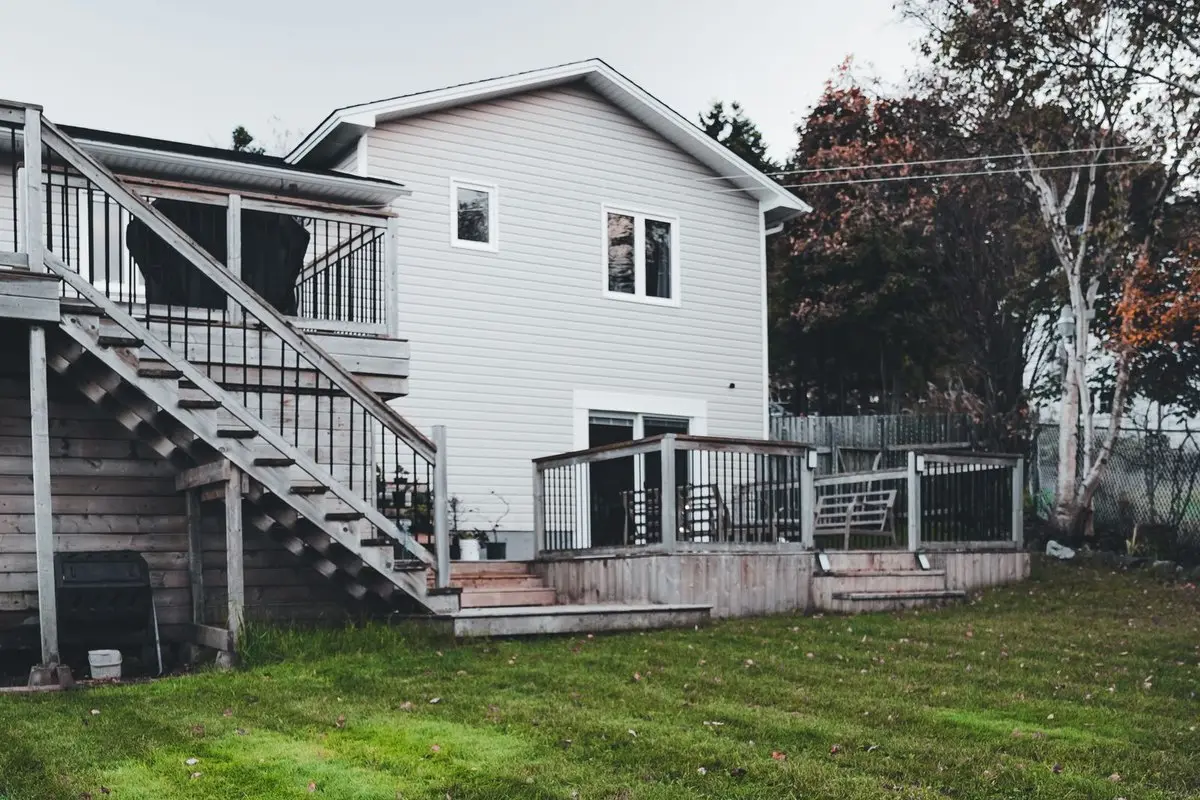
A French drain is one of the most effective drainage tools there is: perforated pipe set in gravel that intercepts water moving through the soil and carries it away to a safe discharge point. It's ideal for redirecting water away from low spots, slopes, and the foundation.
Catch basins and channel drains
For surface water that collects in a specific spot (a low area of the yard, the bottom of a slope, a driveway, or a patio), a catch basin or channel drain captures it at the surface and pipes it away. Channel (or trench) drains are especially useful across driveways and walkways where water tends to run and pool.
Downspout drainage
We extend downspouts and, where it makes sense, run them underground to carry roof runoff well away from the house and out of the soggy areas, so all that roof water isn't dumped right where it causes problems.
Regrading and sloping
Sometimes the best fix is reshaping the ground itself. Regrading the yard to slope away from the house and toward a drainage point eliminates the low spots where water collects and gives it a path to follow.
Dry wells and swales
A dry well is an underground basin that collects water and lets it disperse slowly into the soil, which makes it useful where there's no easy place to discharge. A swale is a shallow, graded channel that guides water across the yard to where you want it to go. Both are good tools for managing water on larger or more complicated lots.
Why it matters
Why Yard Drainage Is Worth Fixing
Standing water does more than ruin the look of a yard. It drowns grass and plants, creates muddy, unusable space, and provides a breeding ground for mosquitoes. Worse, water that collects in the yard, especially near the house, soaks into the soil around your foundation, where it adds to hydrostatic pressure and can end up in your basement. Solving a yard drainage problem often protects the foundation and basement at the same time, which is why we look at how water moves across your whole property, not just the spot where it's pooling.
Cost
How Much Does Yard Drainage Cost in Eau Claire?
It depends on the problem and the solution, and the published national ranges make the spread plain. Fixr's guides put regrading a 1,000-square-foot yard at $1,500 to $2,600, a dry well at $1,500 to $5,000, a trench or channel drain at $30 to $150 per linear foot, and a French drain through the yard at $20 to $30 per linear foot. Those are national figures, not our prices. Extending a downspout or adding a catch basin in one low spot is a modest job. A French drain, regrading, or a system that ties several solutions together across a larger yard is a bigger investment. The size of your yard, how much water you're dealing with, the type of system, and where the water can be discharged all factor in. We inspect first and give you an upfront price before any work begins, so you know exactly what the solution involves and what it costs.
What to expect
What to Expect
-
Free inspection.
We walk your property, find where water is collecting and where it's coming from, and figure out where it can safely go.
-
Clear diagnosis and quote.
You get a plain explanation of the problem and the drainage solution we recommend, with an upfront price.
-
Professional installation.
Our licensed and insured crew installs the system and cleans up the site.
-
A yard that drains.
Water moves off your property and away from your home, and you get your yard back.
Why us
Why Eau Claire Homeowners Trust Us With Their Drainage
We're local to Eau Claire and the Chippewa Valley, so we know the sandy valley floor, the slow-draining uplands, the spring melt, and the drainage challenges that come with them. We're licensed and insured, our inspections are free and honest, and because we install the full range of drainage solutions, our recommendation is based on what your yard actually needs, not the one fix we happen to offer. And because we also do foundation and basement work, we understand how the water in your yard connects to the water in your home.
FAQ
Yard Drainage FAQs
How do I fix standing water in my yard?
It depends on why the water is collecting. Common solutions include a French drain to intercept and carry water away, a catch basin to capture surface water from a low spot, regrading to give water a path, extending downspouts, or a combination. A free inspection identifies the cause and the right fix for your yard.
Why is my yard always so soggy?
Usually it's a combination of slow-draining ground or a shallow water table, flat or low grading, and water sources like downspouts or runoff that overload a spot the ground can't drain. Compacted soil makes it worse. The water has nowhere to go, so it sits. The fix is giving it somewhere to drain.
What's the best yard drainage solution?
There isn't a single best one. It depends on your yard. French drains are great for intercepting water and protecting the foundation; catch basins and channel drains handle surface water in specific spots; regrading fixes low areas; dry wells and swales help on larger lots. The right choice comes from matching the solution to where the water is and where it can go.
Will fixing my yard drainage help my basement?
Often, yes. Water that pools in the yard, especially near the house, soaks into the soil around your foundation and adds to the pressure that pushes water into the basement. Moving that water away from the house is one of the most effective things you can do to protect the foundation and basement.
How much does yard drainage cost in Eau Claire?
It ranges from a modest job for a single downspout or catch basin to a larger investment for a French drain, regrading, or a whole-yard system. We inspect first and give you an upfront price before any work begins.
What is a catch basin?
A catch basin is a small in-ground box with a grate on top that collects surface water where it pools (in a low spot, at the bottom of a slope, or on a driveway) and pipes it away to a safe discharge point. It's a simple, effective way to deal with water that collects in one specific area.
Free inspection
Get a Free Yard Drainage Inspection
If you've got standing water, a soggy lawn, or water running toward your house, don't let it keep doing damage. Call Eau Claire Drainage & Waterproofing or request a free inspection, and we'll find out where your water is going wrong and how to fix it.